
From Wellhead to Wall Outlet: Why Energy Source Matters More Than Price
Daniel Scotton, Executive Director – April 24th
There has been no shortage of commentary trying to connect global conflict in the Middle East with rising fuel costs here at home. Much of that discussion focuses on price–what $100 or $120 per barrel means for markets, businesses, and consumers. But price alone doesn’t tell the full story.
To understand what’s at stake, we need to look at something more fundamental: how energy actually gets from its source to our communities.
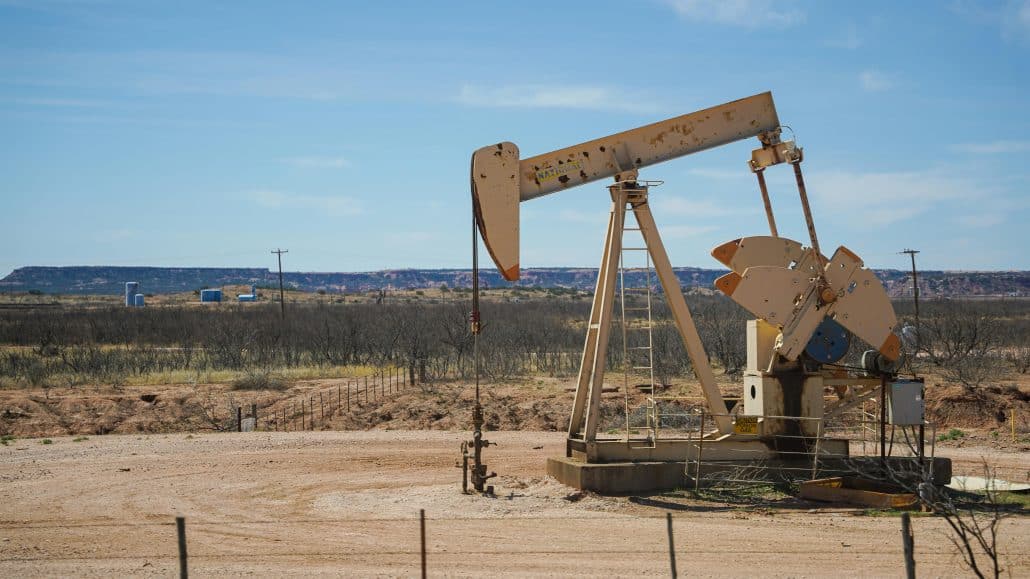
For oil, the journey is long, complex, and vulnerable to disruption. Crude oil is extracted from underground reservoirs and transported to refineries, where it undergoes multiple stages of processing, from distillation, conversion, and treatment, before becoming usable fuel. From there, it is shipped, often across the globe, on massive oil tankers traveling relatively slowly over weeks-long routes. A shipment from the Middle East to the Gulf of Mexico can take up to 50 days under normal conditions.
That timeline matters. It means supply chains are inherently delayed and highly exposed to geopolitical events. When a major chokepoint like the Strait of Hormuz is disrupted, the effects are not always immediate, but they are inevitable. Markets may react quickly, but physical shortages can take weeks to fully materialize. By the time impacts reach consumers, the underlying disruption has already been in motion for over a month.
Now compare that with energy generated here at home.
In Oregon, hydropower facilities like the Bonneville Dam produce electricity using the natural flow of the Columbia River. Once generated, that electricity moves through transmission lines and substations to reach homes and businesses across the state. From the main power station along the Columbia River Gorge, to the substation located in Medford, the length of time it takes to transmit the power is best measured in milliseconds. The electricity itself moves at roughly 186,000 miles per hour, rendering the time spent in transit to near instantaneous.
This contrast highlights a critical point: not all energy systems are created equal.
Fossil fuel supply chains are global, slow-moving, and subject to disruption far beyond our control. Renewable energy systems, particularly those built close to where the energy is used, are faster, more stable, and more resilient. They reduce reliance on distant resources and increase our ability to manage costs and reliability locally.
This is what people mean when they talk about “energy independence” or “energy sovereignty”. It’s not just about producing energy, it’s about shortening supply chains, reducing risk, and keeping control closer to the communities that depend on it.
The question for us is straightforward: why continue to rely so heavily on energy sources that take months to arrive and can be disrupted overnight, when we have the tools to build more local, reliable systems?
Because if we moved away from polluting fossil fuels, the Oil Barons would have to be content with only three yachts, and that just won’t do.


