From Abstract to Monthly Bills: Understanding the Real Cost of Climate Inaction

Daniel Scotton, Executive Director – May 1st
Economic discussions can often feel distant–reduced to headlines, indicators, and abstractions that don’t always connect to daily life. Climate change can feel similarly removed. But unlike abstract economic metrics, the costs of climate inaction are already showing up in household budgets across Oregon and beyond.
For most people, the clearest place to see this is in the cost of food. When farmers face prolonged drought, they are unable to water crops at the levels required for healthy yields. The result is straightforward: lower supply and higher prices. At the same time, farmers still need to recover enough financially to continue operating the following season. Those pressures are passed along the supply chain–eventually landing at the grocery store.
Energy costs follow a similar pattern. Demand fluctuates throughout the day, with predictable spikes in the evening as households cook, heat or cool their homes, and use appliances. In the United Kingdom, this pattern is known as “T.V. Pickup”, a surge in electricity demand when large numbers of people use power simultaneously. These peak periods are when electricity is most expensive.
In the United States, grid operators like the California Independent System Operator have tracked a related phenomenon known as the “duck curve”. As solar generation increases, midday electricity prices drop due to abundant supply. But in the evening, when solar production declines and demand rises, prices spike sharply. Over time, this gap between low midday prices and high evening prices has widened, increasing volatility in energy markets.
While regulatory structures exist to protect consumers, they don’t fully shield households from these trends. Investor-owned utilities are guaranteed a return on infrastructure investments, meaning costs are often built into rate structures. These companies operate under obligations to shareholders, which can create tension between affordability and profitability.
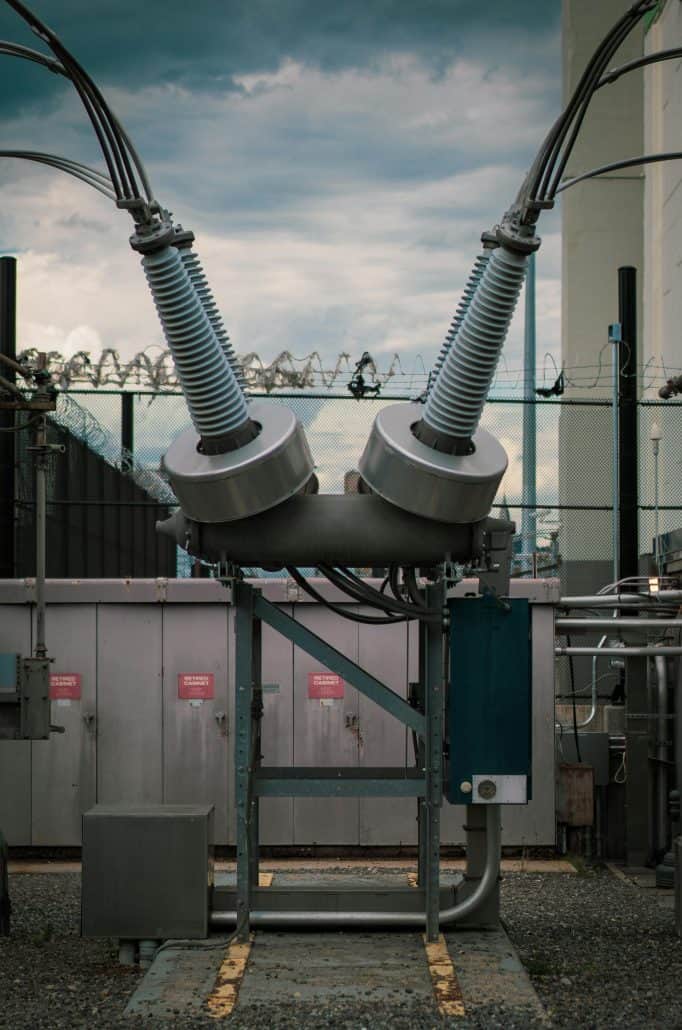
In Oregon, this dynamic has had real consequences. Until October 2025, utilities were not prohibited from disconnecting residential electricity service during periods of extreme heat. That meant some households lost access to power during conditions that posed serious health risks. Policy changes have begun to address this, but they underscore a broader reality: climate impacts are not theoretical, they are already affecting people’s safety, stability, and financial well-being.
The takeaway is simple. Climate change is not just an environmental issue–it is an economic one that directly affects the cost of living. From food prices to energy bills, the consequences of inaction are already here.
That’s why climate policy matters at every level. Investments in resilient infrastructure, support for renewable energy, and protections for consumers are not abstract goals, they are practical steps that help stabilize costs and protect public health.
Sources:
https://www.oregon.gov/puc/pages/consumer-information-center.aspx