
Climate Anxiety?
What Is Climate Anxiety?
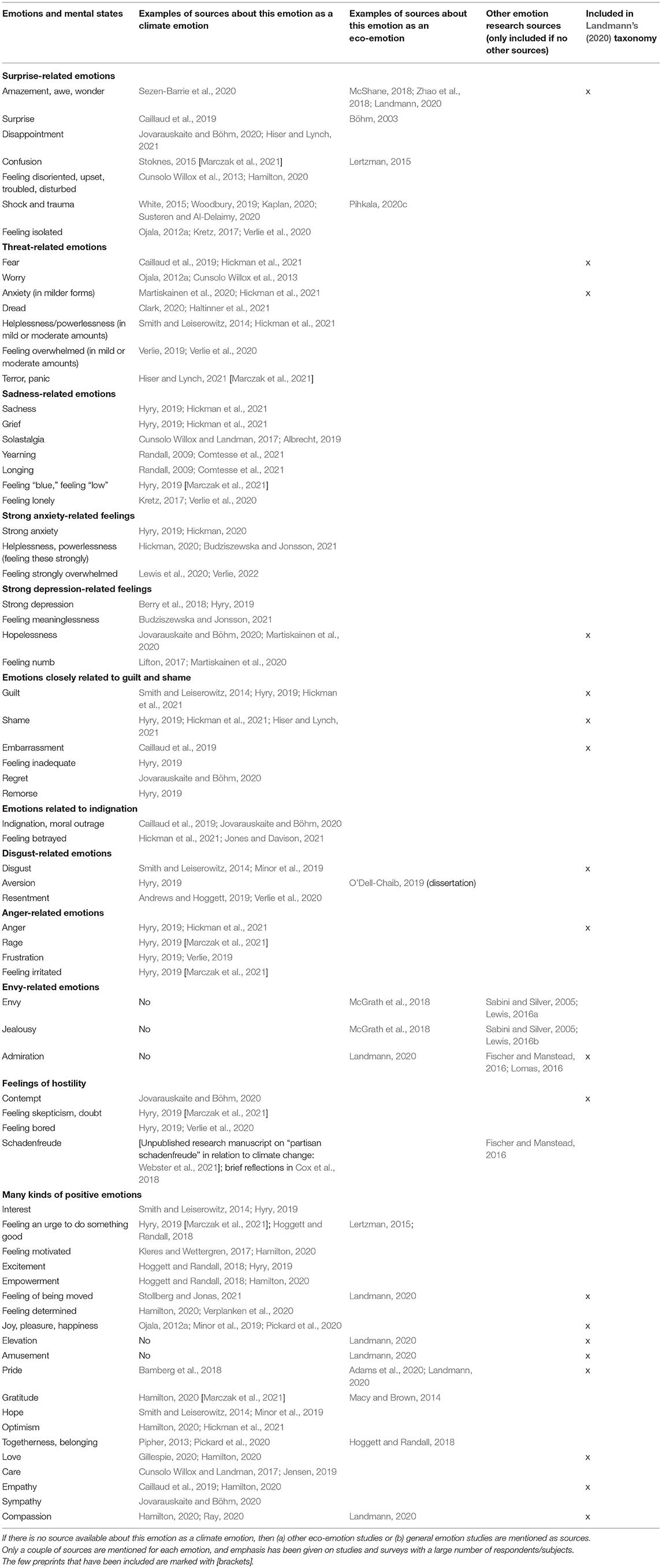
Climate anxiety—sometimes called eco-anxiety—is the chronic fear or distress stemming from awareness of environmental destruction and climate change. Unlike general anxiety, it’s rooted in a real and ongoing crisis. For many, the threat of rising seas, extreme weather, and ecological collapse feels overwhelming and inescapable. This emotional response is not a disorder; it’s a rational reaction to the very real instability of our planet. Recognizing it is the first step toward building healthier, more resilient responses.
Why Mental Health Matters in Climate Work
The climate crisis requires sustained effort. But sustaining ourselves is just as important as the work itself. Activists, organizers, scientists, and everyday citizens engaged in climate action are often exposed to deeply unsettling information. Without attention to mental well-being, burnout becomes inevitable. Mental health is not a side issue—it’s core infrastructure for effective, long-term climate advocacy. If we want lasting change, we must create cultures of care and support within the movement.
Emotional Resilience Builds Collective Strength
Supporting mental health doesn’t mean minimizing the urgency—it means ensuring we can stay in the fight. Processing grief, fear, and anger in community helps prevent isolation and disillusionment. Emotional resilience enables activists to act with clarity, avoid harmful burnout cycles, and maintain strategic focus. When we name and address our emotional responses, we build a movement that’s not just passionate—but durable.
Caring for Ourselves Is Caring for the Planet
Self-care and community care are climate strategies. Making space for reflection, rest, and recovery doesn’t detract from the cause—it empowers it. As we push for climate justice, we also push for a world where people can live with dignity and well-being. Managing climate anxiety is about more than just coping—it’s about embodying the very future we’re trying to create. A livable world starts with livable lives.
SOCAN Article
Eco Chaplains Helping People Deal with Climate Grief with Liz Olson
by Kimerly Winston, September 6th 2024 – NPR
TALENT, Ore. — When Diane Ware’s home state of Oregon proposed a natural gas pipeline that threatened local waterways, she sprang into action — leading workshops on lobbying state lawmakers, mentoring student activists and organizing lectures at her church.
But when plans for the pipeline were canceled, Ware, 78, found little pleasure in the victory. The retired elementary school teacher couldn’t shake the feeling that it may be too late to save a planet in deep peril — a prospect tinged with grief, anger and depression. Ware realized she had a case of “climate grief” — and needed help.
Ware is one of a growing number of people using the services of an eco-chaplain, a new kind of spiritual adviser rising among clergy trained in handling grief and other difficult emotions.
Stress Reduction Tips
1)
Breathe deeply and slowly, 3 to 10 minutes.
2)
Find something that makes you laugh.
3)
Smile, even if it’s fake. The brain notices the muscles. The smile usually turns real.
4)
Meditate. It’s found to have wonderful outcomes, but this is a long-term practice.
5)
Think about what you’re grateful for.
6)
Take a bath. (Don’t read the newspaper.)
7)
Relaxing activity, for example, read aloud to someone, try a coloring book.
8)
Write. Just write whatever’s on top; anything you need to get out.
9)
Talk to someone who will just listen. Whatever’s on top; anything you need to get out.
10)
Groan. Loudly and with energy, 5 times.
11)
Stretch – shoulder rolls; neck; arms
12)
Have a good cry, especially with someone there who will just be there.
13)
Sing.
14)
Yoga.
15)
Walk, especially outside, especially in nature.
16)
Dance.
17)
Get enough sleep. Don’t eat before bedtime, no TV, newspaper, or computer.
18)
Take action against what’s bothering you. You can plan it with your listener.
19)
Keep up your social connections; nurture your relationships.
20)
Do something for someone else.