
Mother Nature Can Recover – If We Remove the Obstacles
Just a few miles south of where I live in Oregon, an historic event has occurred. In 1918 the first of four major hydroelectric dams were constructed on the Klamath River in Northern California and Southern Oregon. Those dams had a profound impact on salmon and other animals dependent on the free-flowing river, and in particular the Klamath River tribes whose land & river was taken from them.
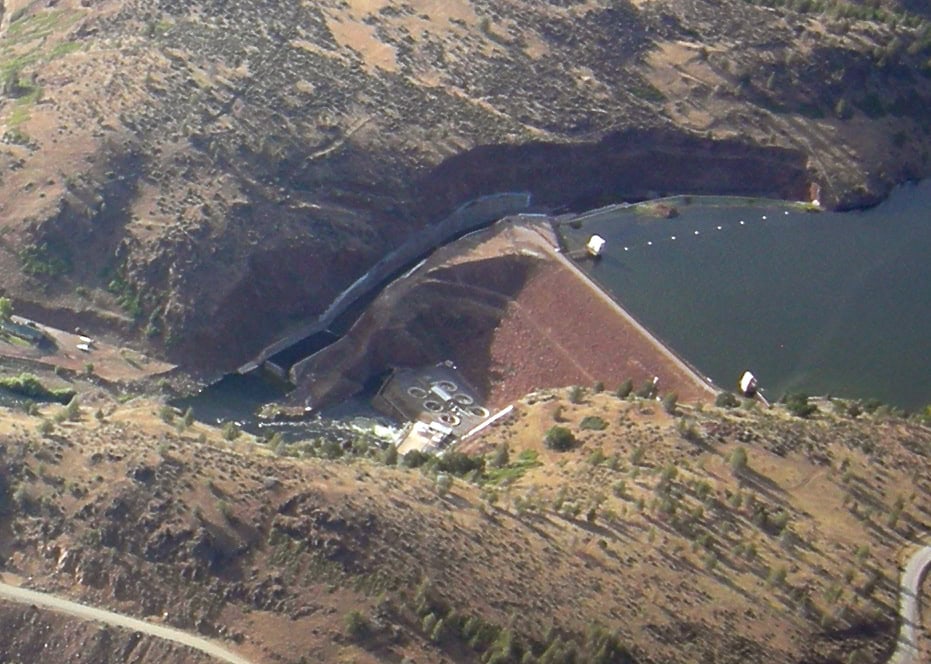
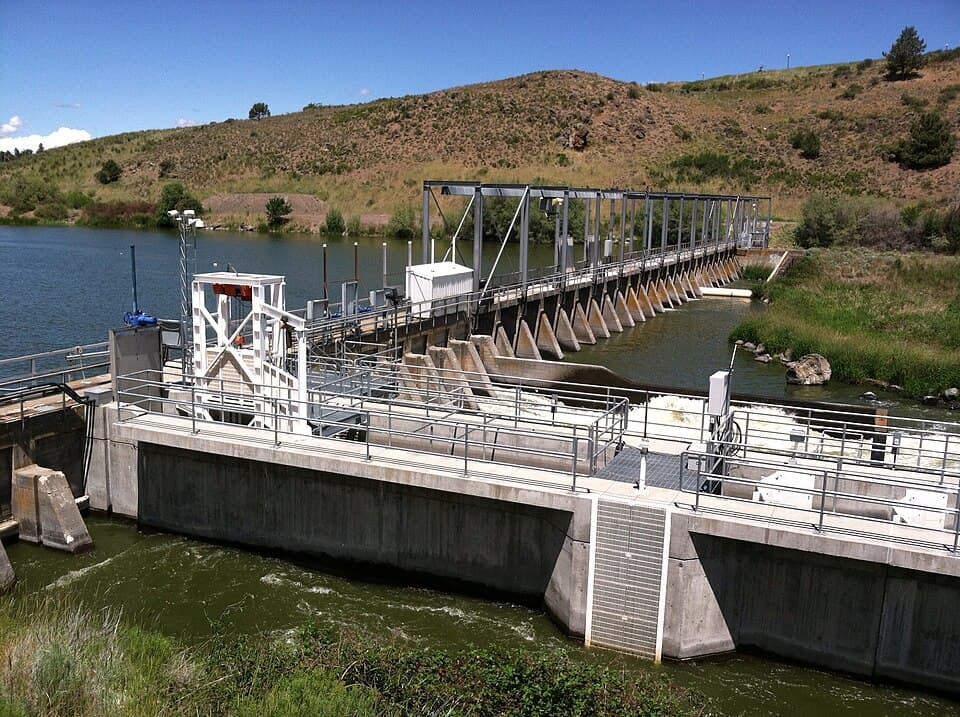
The installation of the dams resulted in a 90% decline in salmon populations, degraded water quality, toxic algae blooms, increased water temperatures, and significant disruption to the indigenous cultures. In 2002 nearly 70,000 salmon died before being able to spawn due to low flow on the dammed river. This event catalyzed in earnest an almost quarter century fight to remove the dams & restore the free-flowing river.
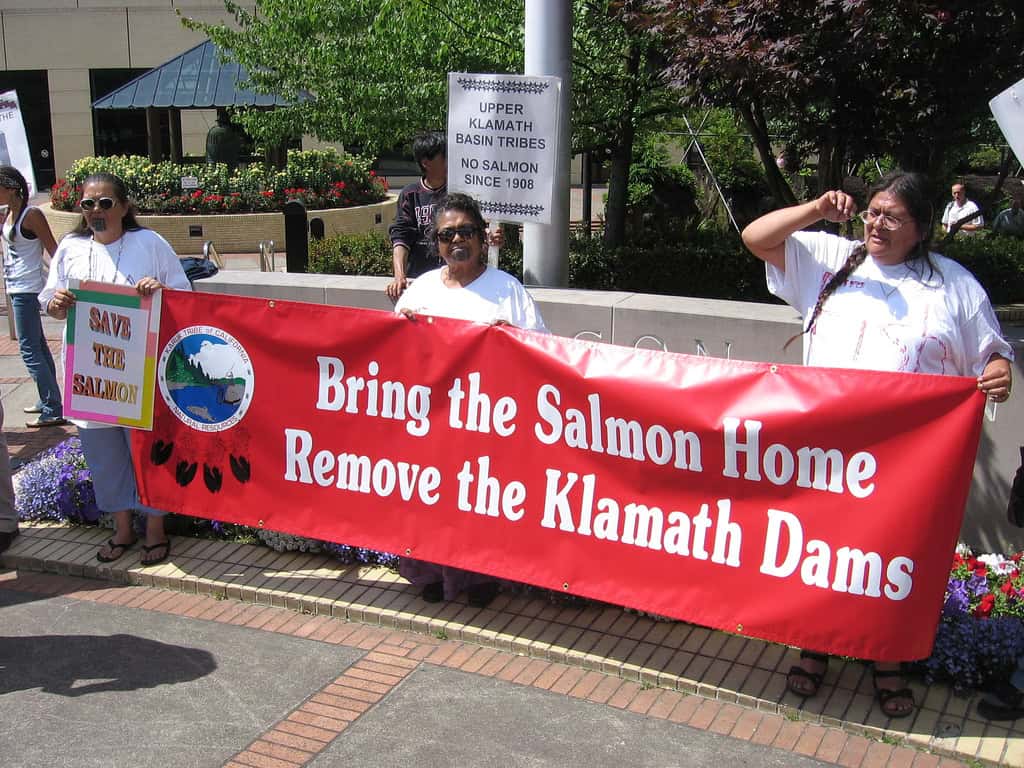
In January 2024, dam removal began with drawdown followed by dam deconstruction and site restoration.
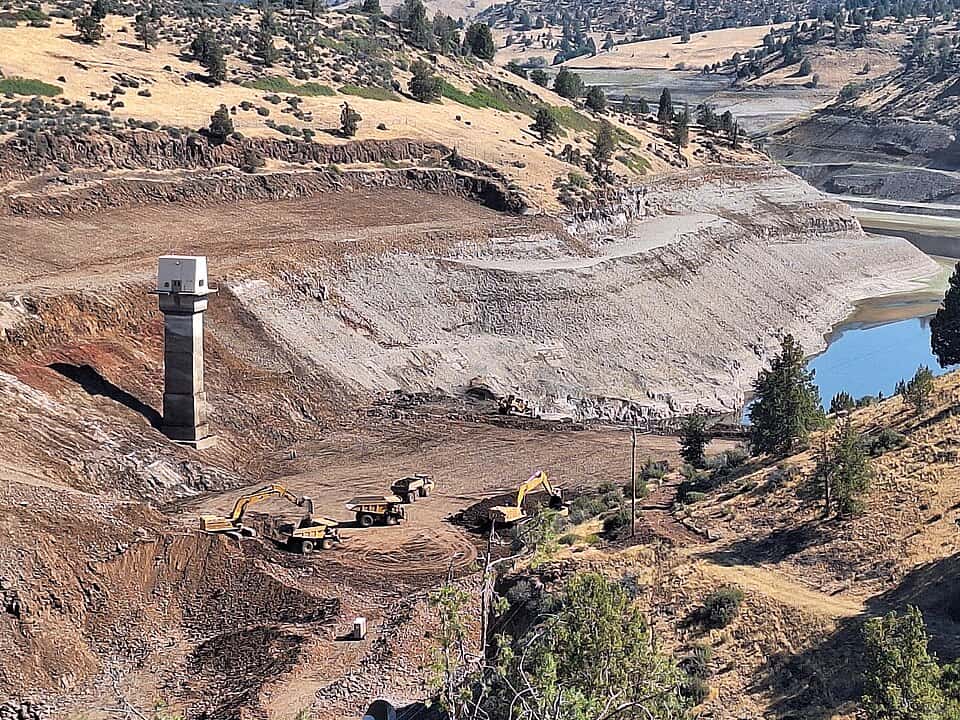
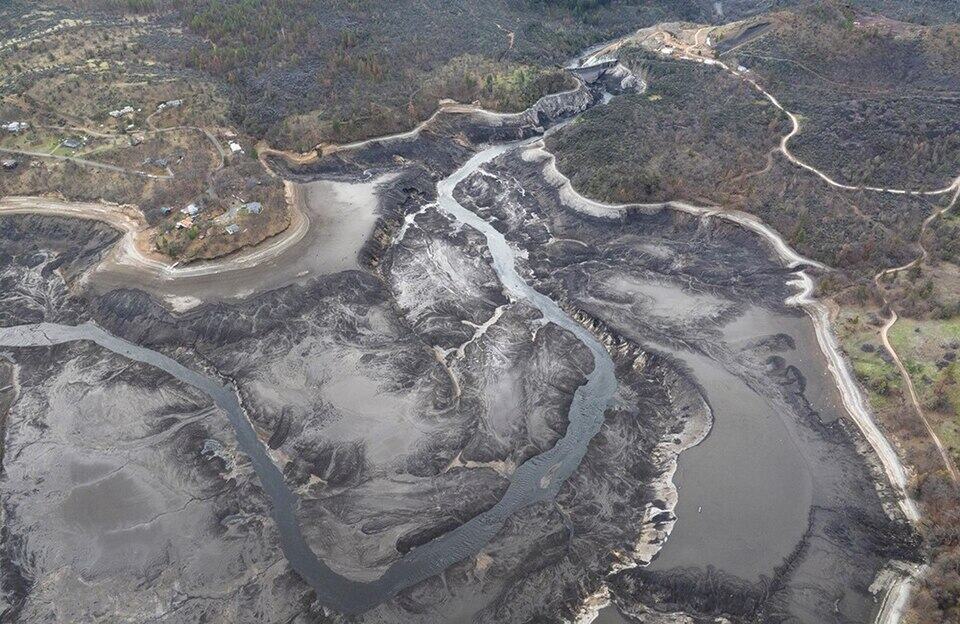
By the end of Augusta 2024, the final coffer dams were removed and the Klamath was once again a free flowing river from its headwaters to the Pacific. As highlighted in this article from Oregon Public Broadcasting (OPB) last week, the “Klamath Tribes’ Ambodat [Fisheries] Department documented the first naturally hatched Chinook salmon within the Upper Klamath Lake in more than a century.”
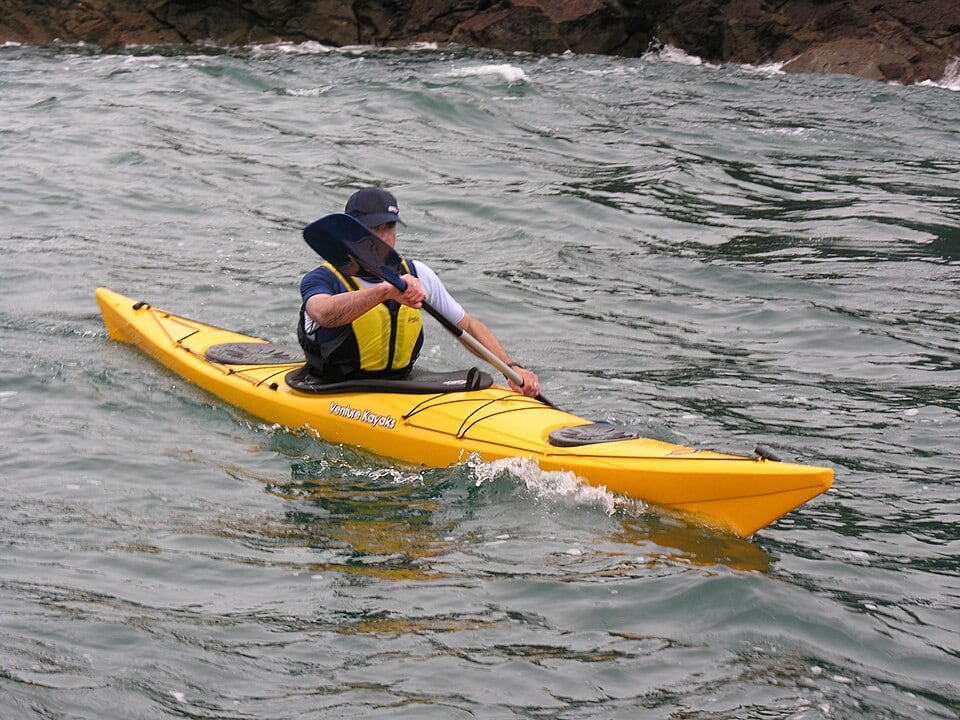
Many skeptics had warned that restoration of salmon spawning could take years if ever. But, the salmon have proven to be far more resilient than the skeptics thought. For more information, you can check out this article from the Klamath Tribes. And for inspiration I highly recommend you check out this documentary from OPB on the youth who paddled the length of the river last fall.
So, the tie into climate action? We need to support these sorts of projects to remove historic destruction of natural systems and give them the chance they need to bounce back. Please watch for restoration projects of degraded or otherwise impacted habitats in your area and add your voice to support the rehabilitation of natural communities that have no voice but upon which we are so strongly dependent.
As always, please let me know your thoughts about these articles and topics. And, if you have similar articles that have piqued your interest, please share them with me.
Cheers, Bill


