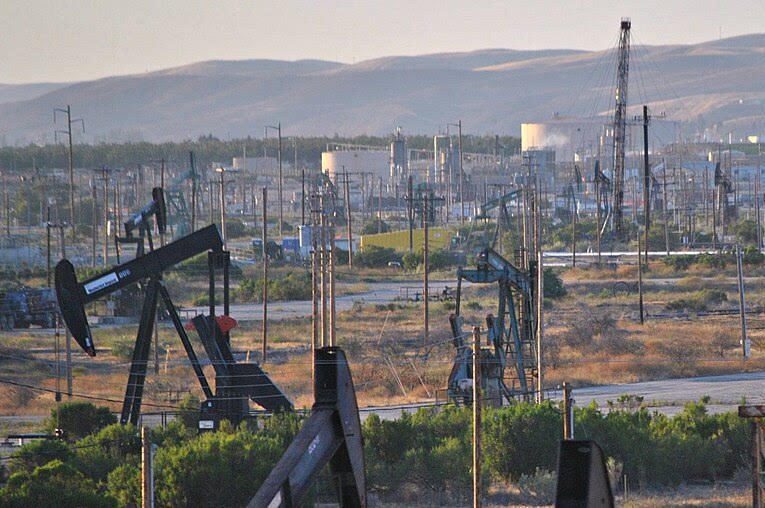
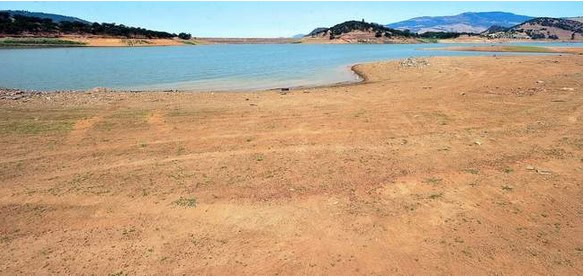
Oregon Water Resources Department – undated.
2026 and Drought in Oregon
Oregon is facing potentially extraordinary drought in 2026, driven by historically low snowpack, one of the warmest winters in state history, and multi-year precipitation deficits. Conditions are similar to 2015, when a snow drought led to 25 of 36 Oregon counties receiving state emergency drought declarations. With snowpack typically peaking around April 1, significant recovery is unlikely.
What you can do
Everyone in Oregon can take steps to conserve water during periods of extreme drought. Even small actions can help save water. Learn more about what you can do to use water wisely.
Likely and potential drought impacts for 2026
- Oregonians around the state should plan and prepare for drought in 2026.
- Regulation of water rights is likely to affect older priority dates than normal, this means that water users who aren’t typically regulated in a normal year may be regulated back or off
- Regulation may also occur earlier than usual
- Increased concerns for dry or underproducing wells
- Stored water may need to be accessed earlier in the season or be unavailable
Drought as a long-term issue
Oregon and the western United States are in the worst megadrought on record. A megadrought is a period of extreme dryness that lasts for decades. Although there have been individual years of wet conditions since the year 2000, on average conditions have been drier than any other period in the past thousand years.
Drought conditions impact water supplies, streamflow, agriculture productivity, wildfire danger, and ecosystem health.